
The EFCC says it will intensify collaboration with other security agencies and expand public awareness campaigns. But the effectiveness of these measures will depend on execution, visibility, and consistency.
For now, the burden partially shifts to citizens—who must navigate encounters with supposed authorities under growing uncertainty.
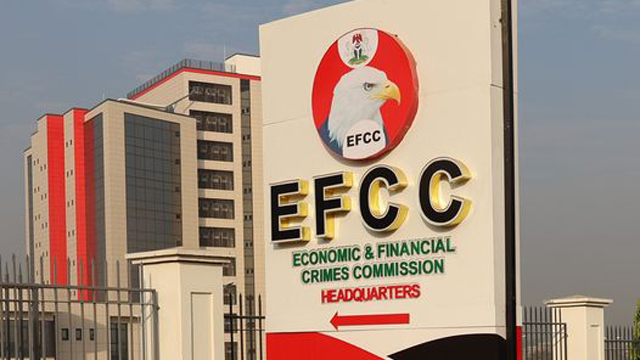
The Economic and Financial Crimes Commission itself stands as a crucial institution in Nigeria’s fight against corruption and financial malfeasance. Established in 2003, its mandate is to investigate and prosecute economic and financial crimes, aiming to sanitize the nation’s financial landscape. However, the agency has often faced scrutiny regarding its operational transparency and adherence to due process. The victims of these impersonators are primarily innocent citizens, particularly young people, who are vulnerable to exploitation due to a prevailing fear of law enforcement agencies and the stigma associated with economic crimes. Meanwhile, the criminal elements behind these schemes exploit both the EFCC’s public image and existing societal anxieties for their nefarious gains.