


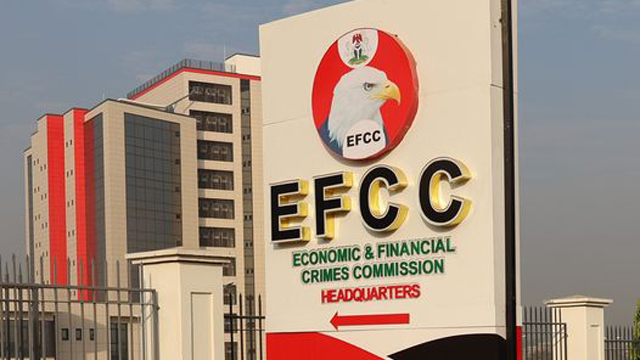
Nigeria’s anti-corruption agency has issued an unusually stark warning: criminal networks are now impersonating its officers in increasingly sophisticated operations that blur the line between law enforcement and organised crime. The alert from the Economic and Financial Crimes Commission signals not just a rise in fraud, but a deeper institutional vulnerability—one that risks eroding public trust in the country’s security architecture.
What’s happening on the ground
According to the Commission’s notice, multiple tactics are now in circulation:
- Street-level ambushes: Groups targeting young people near nightlife hubs, falsely accusing them of internet fraud before seizing phones, cash, and personal items.
- Fake operational sites: Victims are transported to locations staged to resemble EFCC offices, lending credibility to the deception.
- Roadside extortion: Motorists are stopped by armed individuals citing fabricated regulatory violations.
- Staged “raids” online: Videos circulating on social media show dramatized forced entries and arrests—content designed to mimic EFCC operations and mislead the public.
These methods suggest a coordinated attempt not only to steal, but to replicate the theatre of enforcement.
Why this works: fear, familiarity, and blurred lines
The success of these schemes hinges on a powerful combination:
- Public fear of financial crime accusations, particularly among young Nigerians
- Visibility of EFCC operations, especially high-profile crackdowns on so-called “Yahoo boys”
- Weak differentiation cues, making it difficult for civilians to verify legitimate officers in real time
This creates what security analysts describe as a “credibility gap”—a space where impostors can operate convincingly because the public cannot easily distinguish real from fake authority.
A recurring pattern in Nigeria’s security landscape
Impersonation is not new. Nigeria has a long history of individuals posing as police, military, or government officials. What makes this wave different is its scale, coordination, and digital amplification.
The EFCC’s own operational style—raids, arrests, asset seizures—has inadvertently provided a template. Criminal groups are now reverse-engineering state power, using its imagery and procedures as tools of exploitation.
Institutional risk: beyond individual victims
The implications extend far beyond those directly affected:
- Erosion of trust: Citizens may hesitate to cooperate with legitimate investigations
- Operational friction: Genuine EFCC officers could face resistance or hostility
- International perception: Persistent reports of impersonation reinforce concerns about rule of law and security reliability
- Economic impact: Investor confidence may be affected if enforcement credibility appears compromised
In short, this is not just a crime wave—it is a reputational crisis for enforcement institutions.
Pressure points in the system
Security experts point to several systemic gaps:
- Unregulated access to uniforms and insignia
- Lack of standardized, verifiable identification protocols
- Limited public education on enforcement procedures
- Perceived inconsistencies in due process during real operations
These vulnerabilities allow impersonators to operate in the grey zone between legitimacy and illegitimacy.
Public reaction and calls for reform
Civil society groups and legal advocates are calling for:
- Clearer ID verification systems for EFCC operatives
- Public-facing guidelines on how legitimate operations are conducted
- Stronger inter-agency coordination, particularly with police
- Swift, visible prosecution of impersonators
On social media, anecdotal reports suggest the problem may be more widespread than officially acknowledged.