
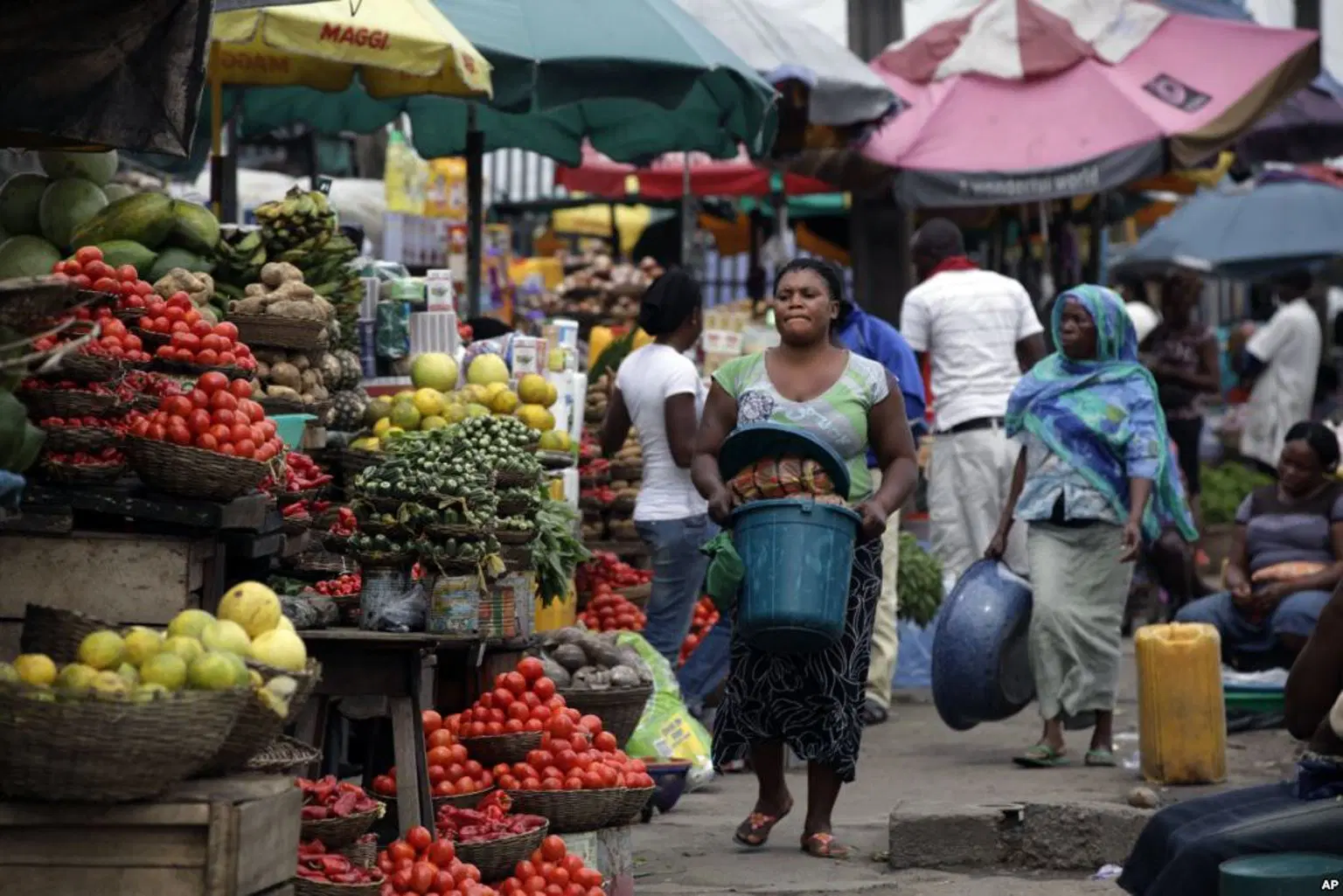
Headline Inflation Hits 15.93% in May as Food, Transport and Housing Costs Continue to Squeeze Households
Nigerians are once again grappling with rising living costs after the National Bureau of Statistics (NBS) reported that the country’s headline inflation rate increased to 15.93 per cent in May 2026, marking the third consecutive monthly rise this year.
The latest figures show that while the pace of price increases slowed slightly compared to April, consumers across the country continue to feel the pressure of higher food prices, transport fares, housing expenses, healthcare costs and education fees.
According to the NBS Consumer Price Index report, inflation rose from 15.69 per cent in April to 15.93 per cent in May, highlighting persistent challenges facing households and businesses despite significant improvements from the 26.06 per cent recorded in May 2025.
Food Prices Remain the Biggest Burden
Food remains the single largest contributor to inflation, accounting for the biggest share of overall price increases across the economy.
The report revealed that food inflation stood at 16.96 per cent year-on-year in May. Although this is lower than the 24.55 per cent recorded during the same period last year, many Nigerians continue to struggle with rising prices of staple foods.
Items driving food inflation include onions, tomatoes, maize, cassava products, yam, pepper, plantain, ginger, cowpea and other household staples consumed daily across the country.
For millions of families already battling reduced purchasing power, the continued increase in food prices means more pressure on household budgets and difficult spending choices.
Urban and Rural Communities Feel the Impact
Inflation remains widespread across both urban and rural communities.
Urban inflation reached 16.07 per cent in May, while rural inflation stood at 15.60 per cent.
The data also showed significant differences among states. Yobe recorded the highest annual inflation rate at 24.94 per cent, followed by Anambra and Sokoto. In contrast, Niger State posted the lowest inflation rate at 3.07 per cent.
The sharp disparities highlight how inflation affects regions differently depending on local economic conditions, supply chains and security challenges.