
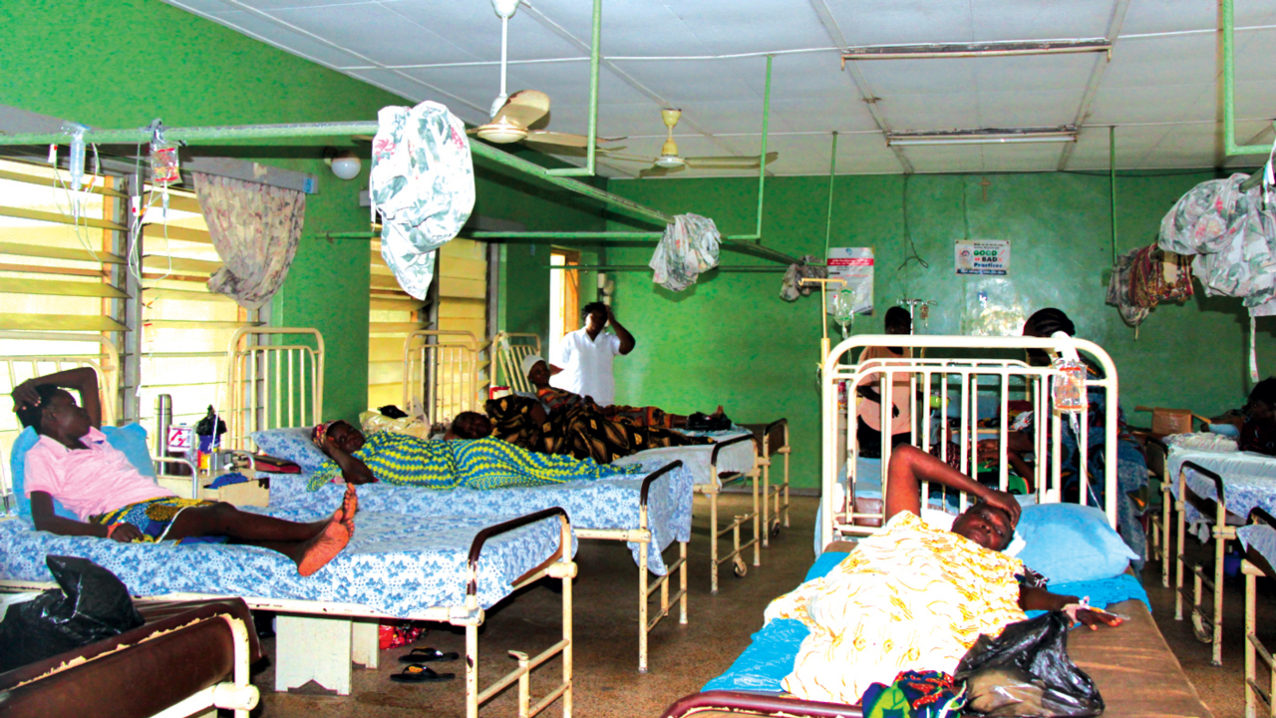
Nigeria’s public hospitals are bracing for severe pressure on emergency units, maternity wards and specialist services as resident doctors begin a nationwide indefinite strike on Tuesday, raising fears of delays in surgeries, critical care and life-saving referrals across the country.
The industrial action, called by the Nigerian Association of Resident Doctors (NARD), affects doctors across federal teaching hospitals, Federal Medical Centres, specialist institutions and state-owned referral hospitals, where resident doctors provide much of the round-the-clock frontline care.
Health sector analysts say the most immediate impact will be felt in Accident and Emergency departments, where resident doctors are responsible for triage, admissions, urgent imaging requests, surgical clerking and overnight ward reviews.
Without them, hospitals are expected to experience longer waiting times, slower referrals and a rapid buildup of critically ill patients awaiting consultant review, especially in major tertiary centres in Lagos, Abuja, Kano, Port Harcourt and Ibadan.
The strike was triggered by a dispute over the Federal Government’s suspension of the Professional Allowance Table (PAT), alongside unresolved salary arrears, promotion backlogs and delays in the 2026 Medical Residency Training Fund.
Resident doctors form the backbone of Nigeria’s emergency hospital chain because they staff the night shifts and high-volume call rotas that keep public referral centres running.
As a result, trauma admissions, emergency caesarean sections, neonatal resuscitation and ICU step-down monitoring are expected to face the sharpest strain in the first 24 to 48 hours of the walkout.
Teaching hospitals are likely to be among the hardest hit.
These facilities serve as the country’s main referral hubs for complex trauma, cancer surgery, neurosurgical emergencies and high-risk obstetric care, often receiving patients from multiple surrounding states.
Federal Medical Centres in states with weaker secondary hospital systems may also come under intense pressure, as patients who would ordinarily be stabilised by resident doctors are either left waiting longer or referred farther away.
For patients, the immediate consequences could include:
- postponed elective and semi-urgent surgeries
- overcrowded emergency wards
- delays in obstetric theatre response
- longer ICU transfer times
- slower specialist clinic reviews
- postponed fracture and trauma procedures
The risk is particularly acute in maternity units, where resident doctors are often the first clinicians to respond to emergency caesarean sections, postpartum haemorrhage and eclampsia before consultants arrive.
Public health experts warn that even short delays in these cases can sharply worsen outcomes for both mothers and newborns.
The strike also threatens to deepen backlogs in orthopaedic, psychiatric and ophthalmology centres, where specialist procedures and inpatient reviews may be scaled down until the dispute is resolved.
NARD says the action will continue until the government restores the allowance framework and clears long-standing financial obligations owed to doctors.
For hospital managers, the central challenge now is whether consultants, medical officers and skeletal emergency teams can absorb enough of the workload to keep life-saving services running while negotiations continue.
But healthcare administrators warn that Nigeria’s tertiary system remains heavily dependent on resident doctors as its continuous clinical workforce, making prolonged disruption especially dangerous for emergency medicine and maternal care.