


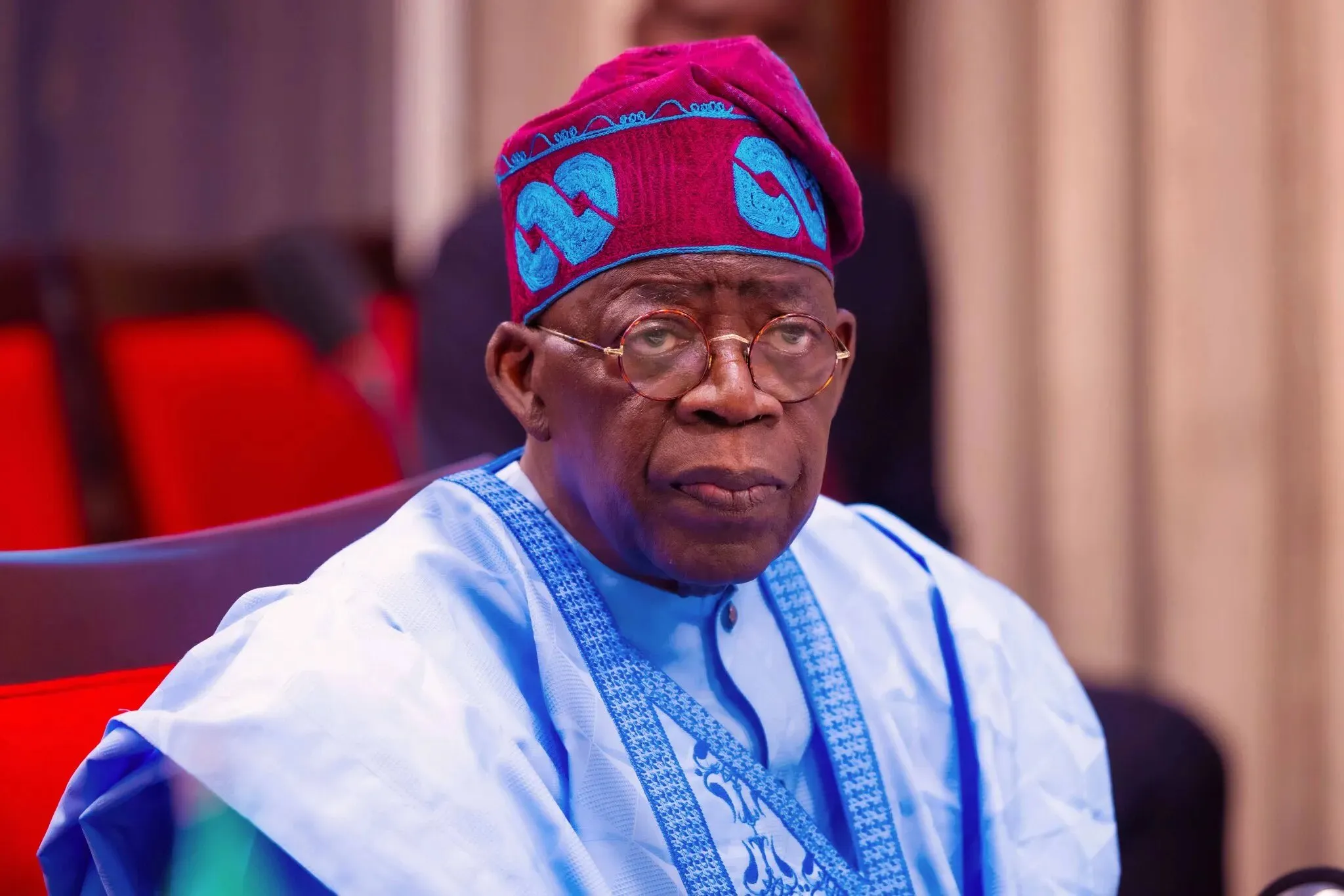
Despite signs of improved economic stability, the mood among many Nigerians remains bleak, with high food prices, expensive transport, weak purchasing power and widespread economic insecurity shaping perceptions of the Tinubu administration. An Afrobarometer/NOI Polls survey found that 85% of Nigerians disapproved of fuel subsidy removal, while 88% described the country’s economic condition as bad and 74% rated their personal living conditions as poor. The survey also found widespread shortages of food, medical care and cooking fuel, highlighting the gap between improving macroeconomic indicators and the daily experience of households.
President Bola Tinubu’s decision to remove petrol subsidies in May 2023 and overhaul the foreign-exchange market has nevertheless generated substantial fiscal gains for the three tiers of government. By December 2025, the reforms were estimated to have generated about ₦15.8 trillion in additional resources for the Federation. The Federal Ministry of Finance estimates that states received about ₦6.52 trillion of the subsidy-related resources, the Federal Government about ₦5.43 trillion and local governments about ₦3.88 trillion, giving governments significantly more room to finance public spending.
But much of the fiscal space has been absorbed by rising government costs. The Finance Ministry estimates that additional spending included about ₦9.39 trillion on wage adjustments and related personnel costs, ₦9.37 trillion on higher external debt-servicing costs caused by naira depreciation, ₦6.47 trillion on strategic infrastructure and ₦3.14 trillion on electricity subsidies. The figures suggest that the reform windfall has helped keep government finances afloat rather than producing a large pool of money that could be directly distributed to citizens.
The government’s economic scorecard has improved in several important areas. The World Bank and IMF have credited the reforms with improving fiscal stability, foreign-exchange market functioning, external reserves and economic resilience, while growth strengthened and inflation began easing from its peak. The minimum wage was also increased from ₦30,000 to ₦70,000, while states have received substantially higher monthly allocations. These are meaningful gains, particularly for formal-sector workers and governments that can translate additional revenues into infrastructure and public services.
However, the improvement in government finances has yet to translate into broad-based prosperity. The World Bank estimated that poverty rose to about 63% in 2025, while the IMF estimated that 27 million Nigerians faced food insecurity late that year. The central problem is that falling inflation does not mean falling prices: food, transport, housing and other essential costs remain far higher than before the reforms, leaving many households struggling even when the economy is growing. For millions of Nigerians, the key question is therefore not whether GDP or government revenue is improving, but whether their income can buy more.
Tinubu’s reforms have arguably strengthened Nigeria’s economic foundation, but the household verdict remains largely negative. The administration has succeeded in removing costly distortions and creating greater fiscal and monetary stability, but the social cost has been substantial and the benefits remain unevenly distributed. The next test is whether the government can turn higher revenues and improved macroeconomic stability into cheaper food and transport, better electricity, productive jobs, stronger public services and rising real incomes. Until Nigerians begin to feel those changes in their pockets, the ₦15.8 trillion reform windfall will remain more visible in government accounts than in the lives of the people it was intended to benefit.